UI / UX Design
SmartOps: Manage Smarter, Work Faster
An internal app designed for HVAC teams to efficiently manage employee attendance, track inventory, and streamline daily operations with a clean and intuitive interface.
Year :
2025
Industry :
HVAC
Client :
VIP HVAC
Project Duration :
1 month
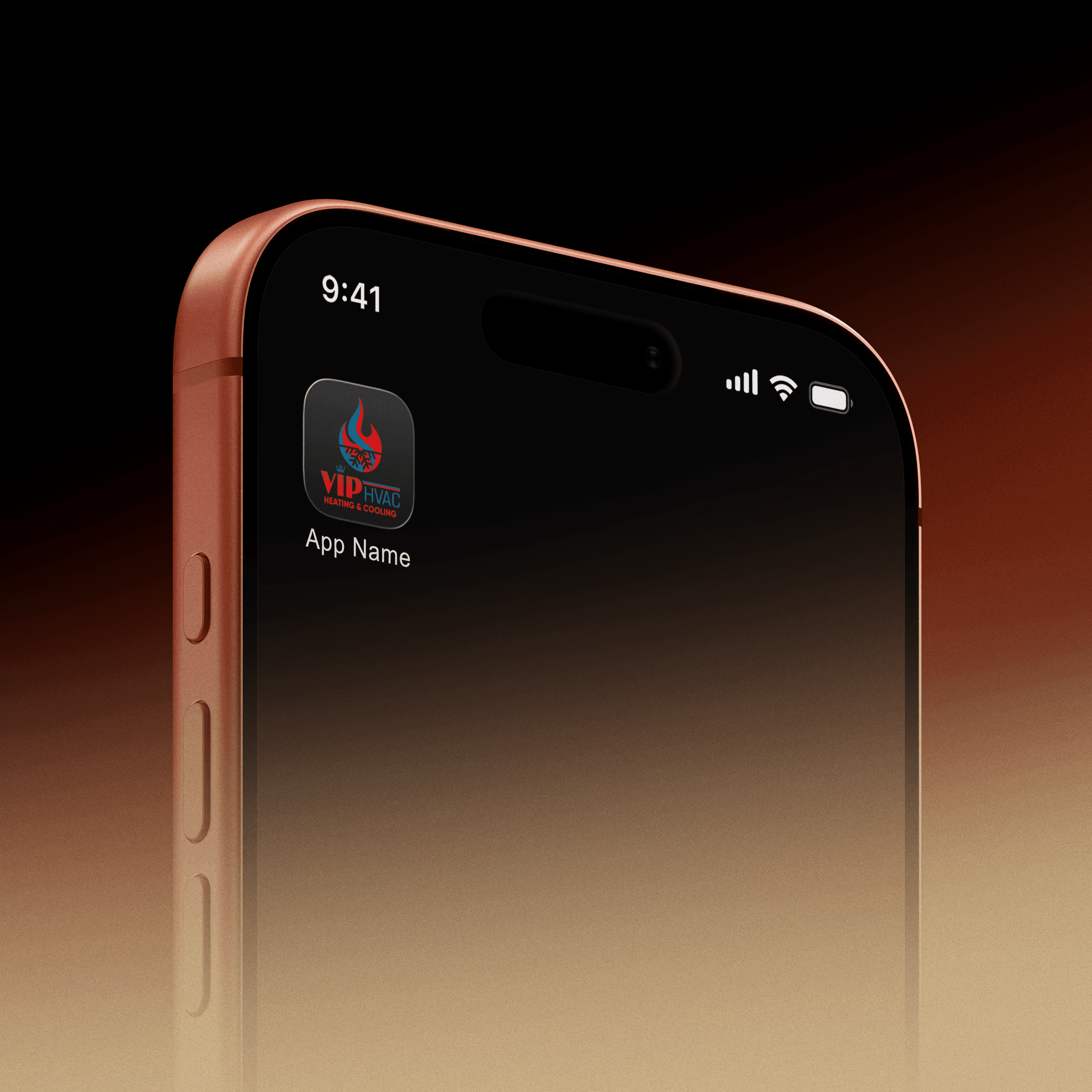
Problem :
Stage 1 – Briefing:
Understanding the objectives of the redesign, target audience, and main points to be improved.
Identification of operating systems (iOS and Android) and technical constraints (React Native).
Definition of the app’s functions: time tracking, work orders, employee location, and inventory management.
Stage 2 – Definition:
Determining the scope objectively, considering that the app must be functional for employees before any future commercialization.
Prioritization of essential features for internal users.
Stage 3 – Desk Research:
Research on Field Service Management and the challenges of field operations.
Identification of common problems faced by managers and technicians, such as communication, task tracking, and time optimization.
Consultation of external sources and competitor references to support design decisions.
Stage 4 – CSD Matrix:
Organization of information into Certainties, Assumptions, and Doubts to map strengths, uncertainties, and areas to validate with users.
Identification of critical functionalities, such as work order history, real-time tracking, and native time tracking notifications.
Stage 5 – Secondary Source Research:
Analysis of competitor apps, such as Housecall Pro, to understand interface best practices and essential features.
Collection of user feedback and reviews to identify pain points and improvement opportunities.
Stage 6 – CSD Matrix Update:
Review and refinement of certainties, assumptions, doubts, and negated points.
Final adjustments to guide the creation of wireframes and prototypes based on user insights and market research.
The internal HVAC app faced inefficiencies in daily operations. Workflows for time tracking, work orders, and inventory management were confusing, field activity monitoring was limited, and communication between managers and technicians was slow. The outdated interface hindered usability and productivity.
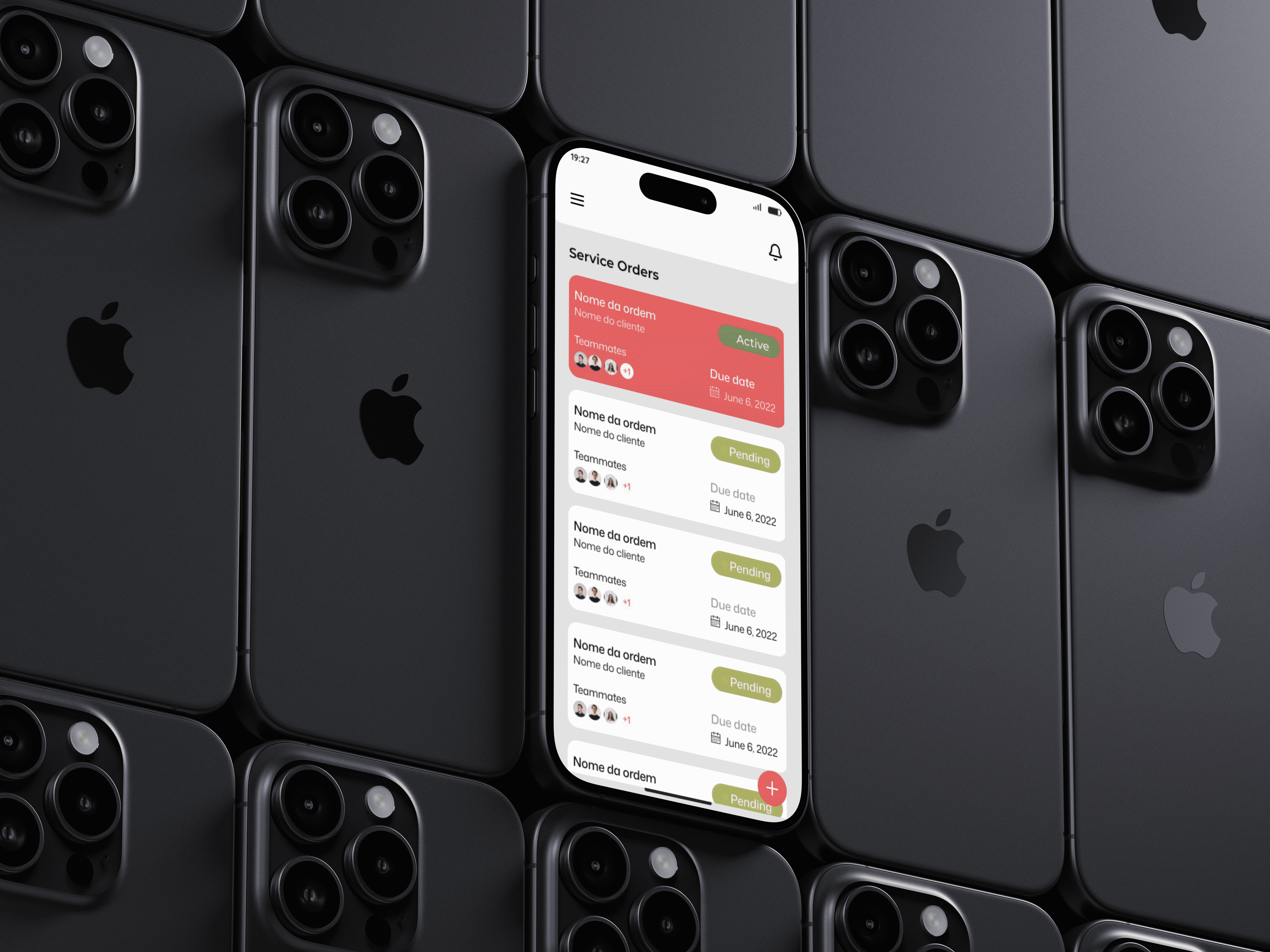
Solution :
The redesign focused on addressing the core pain points of the app and improving the overall user experience for employees and managers:
Intuitive Workflows: Simplified processes for time tracking, work orders, and inventory management, reducing errors and speeding up daily tasks.
Real-Time Field Monitoring: Implemented live tracking of employees and tasks, giving managers instant visibility into field operations.
Enhanced Inventory Management: Provided a clear overview of inventory status, making it easier to track available, used, or pending items.
Improved Communication: Integrated notifications and updates to streamline coordination between managers and field technicians, reducing delays and rework.
Modern Interface: Designed a clean, consistent, and visually appealing UI based on SaaS standards, improving usability and adoption.
Scalability: Built a foundation to support future feature expansion, ensuring the app can evolve with the company’s needs.
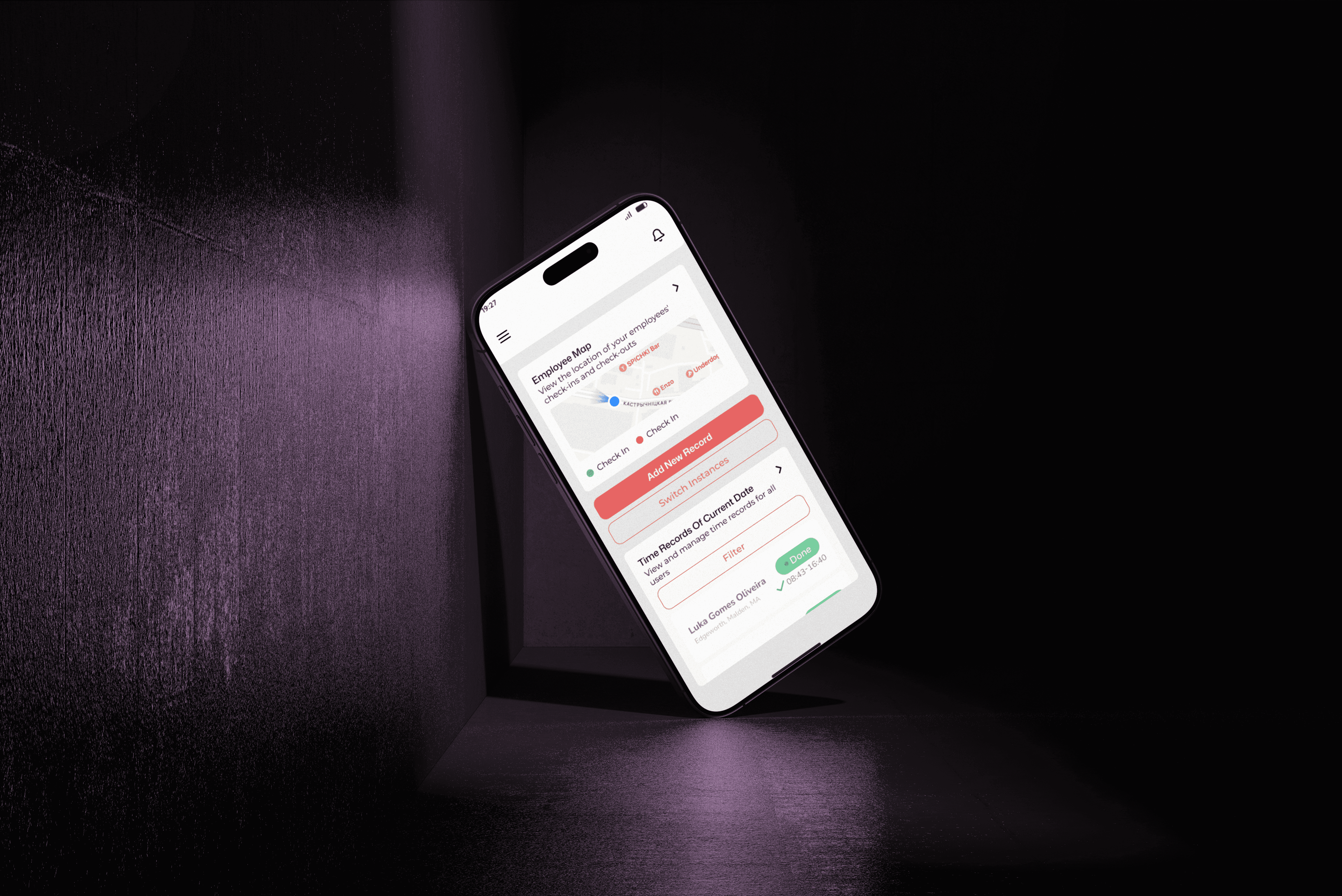
Results :
Key Results:
Clearer and more intuitive user flows for time tracking, work orders, and inventory.
Modern and consistent visual structure based on SaaS standards.
Interactive prototypes ready for testing and presentation to stakeholders.
Solid foundation for future scalability and integration of new functionalities.
Summary :
The HVAC internal app was redesigned to address inefficiencies in time tracking, work orders, inventory management, and field activity monitoring. The project simplified workflows, implemented real-time employee and task tracking, improved inventory visibility, and streamlined communication between managers and field technicians. A modern, consistent interface based on SaaS standards was introduced, creating a more intuitive, efficient, and scalable tool that enhances usability, productivity, and operational control for employees in the field.
More Projects

UI / UX Design
SmartOps: Manage Smarter, Work Faster
An internal app designed for HVAC teams to efficiently manage employee attendance, track inventory, and streamline daily operations with a clean and intuitive interface.
Year :
2025
Industry :
HVAC
Client :
VIP HVAC
Project Duration :
1 month
Problem :
Stage 1 – Briefing:
Understanding the objectives of the redesign, target audience, and main points to be improved.
Identification of operating systems (iOS and Android) and technical constraints (React Native).
Definition of the app’s functions: time tracking, work orders, employee location, and inventory management.
Stage 2 – Definition:
Determining the scope objectively, considering that the app must be functional for employees before any future commercialization.
Prioritization of essential features for internal users.
Stage 3 – Desk Research:
Research on Field Service Management and the challenges of field operations.
Identification of common problems faced by managers and technicians, such as communication, task tracking, and time optimization.
Consultation of external sources and competitor references to support design decisions.
Stage 4 – CSD Matrix:
Organization of information into Certainties, Assumptions, and Doubts to map strengths, uncertainties, and areas to validate with users.
Identification of critical functionalities, such as work order history, real-time tracking, and native time tracking notifications.
Stage 5 – Secondary Source Research:
Analysis of competitor apps, such as Housecall Pro, to understand interface best practices and essential features.
Collection of user feedback and reviews to identify pain points and improvement opportunities.
Stage 6 – CSD Matrix Update:
Review and refinement of certainties, assumptions, doubts, and negated points.
Final adjustments to guide the creation of wireframes and prototypes based on user insights and market research.
The internal HVAC app faced inefficiencies in daily operations. Workflows for time tracking, work orders, and inventory management were confusing, field activity monitoring was limited, and communication between managers and technicians was slow. The outdated interface hindered usability and productivity.
Solution :
The redesign focused on addressing the core pain points of the app and improving the overall user experience for employees and managers:
Intuitive Workflows: Simplified processes for time tracking, work orders, and inventory management, reducing errors and speeding up daily tasks.
Real-Time Field Monitoring: Implemented live tracking of employees and tasks, giving managers instant visibility into field operations.
Enhanced Inventory Management: Provided a clear overview of inventory status, making it easier to track available, used, or pending items.
Improved Communication: Integrated notifications and updates to streamline coordination between managers and field technicians, reducing delays and rework.
Modern Interface: Designed a clean, consistent, and visually appealing UI based on SaaS standards, improving usability and adoption.
Scalability: Built a foundation to support future feature expansion, ensuring the app can evolve with the company’s needs.
Results :
Key Results:
Clearer and more intuitive user flows for time tracking, work orders, and inventory.
Modern and consistent visual structure based on SaaS standards.
Interactive prototypes ready for testing and presentation to stakeholders.
Solid foundation for future scalability and integration of new functionalities.
Summary :
The HVAC internal app was redesigned to address inefficiencies in time tracking, work orders, inventory management, and field activity monitoring. The project simplified workflows, implemented real-time employee and task tracking, improved inventory visibility, and streamlined communication between managers and field technicians. A modern, consistent interface based on SaaS standards was introduced, creating a more intuitive, efficient, and scalable tool that enhances usability, productivity, and operational control for employees in the field.
More Projects
UI / UX Design
SmartOps: Manage Smarter, Work Faster
An internal app designed for HVAC teams to efficiently manage employee attendance, track inventory, and streamline daily operations with a clean and intuitive interface.
Year :
2025
Industry :
HVAC
Client :
VIP HVAC
Project Duration :
1 month
Problem :
Stage 1 – Briefing:
Understanding the objectives of the redesign, target audience, and main points to be improved.
Identification of operating systems (iOS and Android) and technical constraints (React Native).
Definition of the app’s functions: time tracking, work orders, employee location, and inventory management.
Stage 2 – Definition:
Determining the scope objectively, considering that the app must be functional for employees before any future commercialization.
Prioritization of essential features for internal users.
Stage 3 – Desk Research:
Research on Field Service Management and the challenges of field operations.
Identification of common problems faced by managers and technicians, such as communication, task tracking, and time optimization.
Consultation of external sources and competitor references to support design decisions.
Stage 4 – CSD Matrix:
Organization of information into Certainties, Assumptions, and Doubts to map strengths, uncertainties, and areas to validate with users.
Identification of critical functionalities, such as work order history, real-time tracking, and native time tracking notifications.
Stage 5 – Secondary Source Research:
Analysis of competitor apps, such as Housecall Pro, to understand interface best practices and essential features.
Collection of user feedback and reviews to identify pain points and improvement opportunities.
Stage 6 – CSD Matrix Update:
Review and refinement of certainties, assumptions, doubts, and negated points.
Final adjustments to guide the creation of wireframes and prototypes based on user insights and market research.
The internal HVAC app faced inefficiencies in daily operations. Workflows for time tracking, work orders, and inventory management were confusing, field activity monitoring was limited, and communication between managers and technicians was slow. The outdated interface hindered usability and productivity.
Solution :
The redesign focused on addressing the core pain points of the app and improving the overall user experience for employees and managers:
Intuitive Workflows: Simplified processes for time tracking, work orders, and inventory management, reducing errors and speeding up daily tasks.
Real-Time Field Monitoring: Implemented live tracking of employees and tasks, giving managers instant visibility into field operations.
Enhanced Inventory Management: Provided a clear overview of inventory status, making it easier to track available, used, or pending items.
Improved Communication: Integrated notifications and updates to streamline coordination between managers and field technicians, reducing delays and rework.
Modern Interface: Designed a clean, consistent, and visually appealing UI based on SaaS standards, improving usability and adoption.
Scalability: Built a foundation to support future feature expansion, ensuring the app can evolve with the company’s needs.
Results :
Key Results:
Clearer and more intuitive user flows for time tracking, work orders, and inventory.
Modern and consistent visual structure based on SaaS standards.
Interactive prototypes ready for testing and presentation to stakeholders.
Solid foundation for future scalability and integration of new functionalities.
Summary :
The HVAC internal app was redesigned to address inefficiencies in time tracking, work orders, inventory management, and field activity monitoring. The project simplified workflows, implemented real-time employee and task tracking, improved inventory visibility, and streamlined communication between managers and field technicians. A modern, consistent interface based on SaaS standards was introduced, creating a more intuitive, efficient, and scalable tool that enhances usability, productivity, and operational control for employees in the field.